

 CART
CART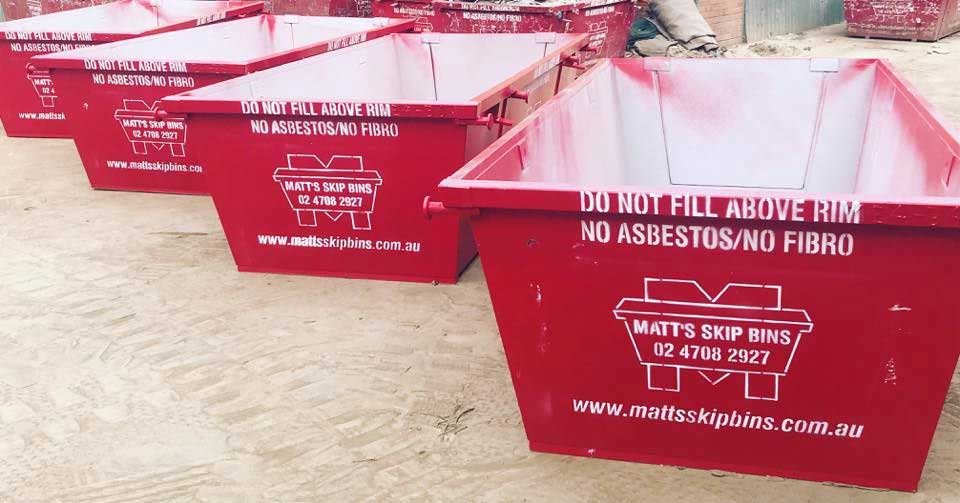
14 Aug • 9 min Read DIY Renovation Waste Disposal Checklist for Sydney
Renovation waste needs a plan just as much as materials and trades do. Even a modest bathroom or kitchen renovation project can generate several different waste streams at once, from broken tiles and old cabinetry to packaging and general rubbish.
The right disposal method depends on what the material is, how much of it there is, how heavy it is and how far you need to transport it. Planning ahead for proper disposal, rather than leaving it until demolition day, is one of the simplest ways to minimise waste and keep a home renovation on schedule.
You can use this checklist to help you understand what to reuse, what to separate, what to drop at a depot, what belongs in a skip bin, and what to do if you come across anything that might be hazardous.
DIY Renovation Waste Disposal Checklist at a Glance
- List everything being removed
- Check for possible asbestos or other hazardous materials
- Set aside reusable fixtures and materials
- Separate heavy, recyclable, general and problem waste
- Estimate the volume of each waste stream
- Choose between depot drop-off and skip bin hire
- Confirm what the facility or bin accepts
- Check access and local council requirements
- Prepare protective equipment and loading tools
- Keep waste contained throughout the project
- Complete a final site sweep
- Retain any disposal documentation required
Before You Start, Complete a Renovation Waste Audit
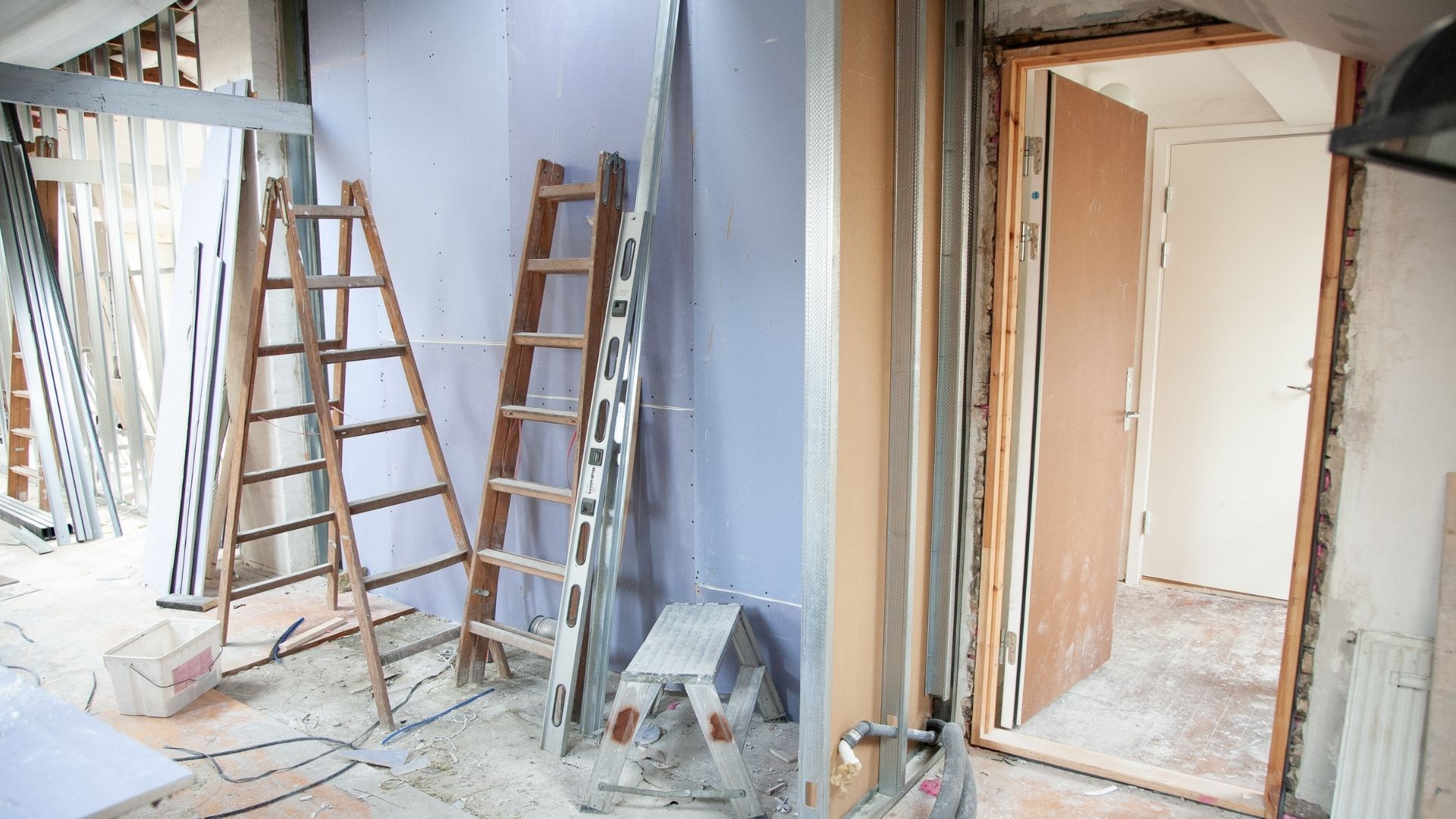
Walk through the project before any demolition starts, and write down what is actually being removed. A written audit makes it much easier to build an effective waste management strategy for the construction waste your project will produce, rather than guessing on the day.
List the Materials Being Removed
Record what you expect to remove, including:
- Cabinetry and benchtops
- Tiles and flooring
- Plasterboard
- Timber framing
- Bricks and concrete
- Fixtures and appliances
- Landscaping materials
- Packaging from replacement products
Estimate When Each Material Will Be Created
Renovation waste doesn’t all appear at once. Initial clean-out, demolition, structural work, installation and fit-out, packaging removal and final clean-up can each produce their own load.
Because waste arrives in stages, a single collection or trip to a depot may not be enough. A multi-room strip-out might require waste to be contained on site for several days before it can all be moved at once.
Identify Materials Requiring Investigation
Some materials need a closer look before they go anywhere near a skip or trailer. Fibro sheets, old insulation, vinyl flooring or backing, old switchboards, pipe lagging, textured coatings, lead paint and unknown sheeting can all carry health risks if they’re disturbed without care. If you’re unsure what any of these are, stop and get appropriate professional advice rather than testing or removing suspect material yourself.
Sort Renovation Waste Into the Right Disposal Pathway
Rather than treating renovation rubbish as one big pile, it helps to sort it into groups from the start.
Reuse, Sell or Donate
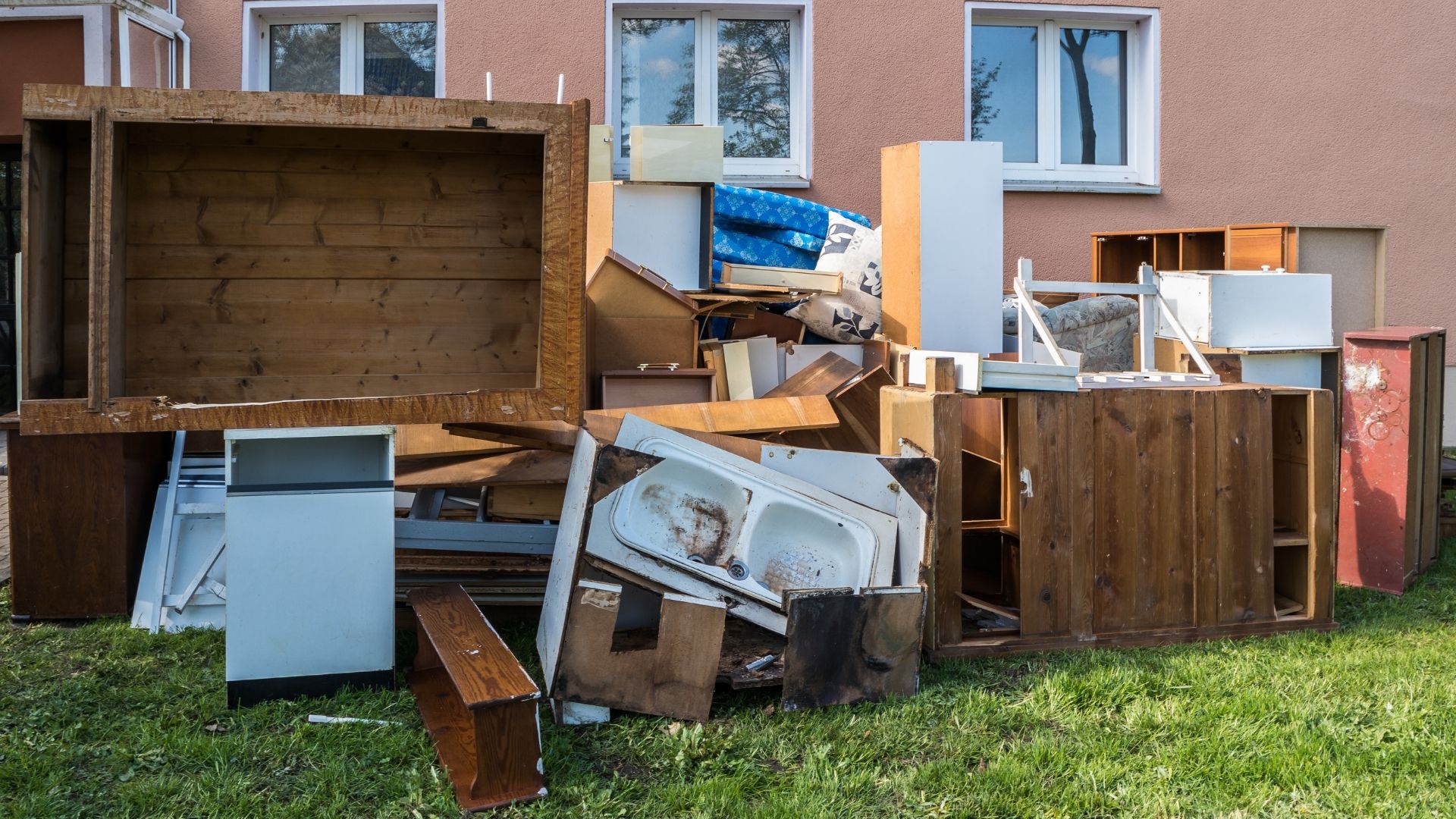
Intact cabinetry, doors, windows, old fixtures, appliances, pavers, timber, unopened materials and excess tiles are all worth setting aside before demolition begins. Removing these items carefully, rather than smashing them straight through, can meaningfully reduce the final waste volume you need to dispose of.
Separate Recyclable Building Materials
Bricks, concrete, metals, recyclable timber, gyprock, cardboard, and suitable green waste can often be diverted from landfill rather than ending up there. The NSW EPA notes that household building waste can be diverted through reuse, resale, recycling and reprocessing of construction materials such as concrete, bricks and timber, and that around 75 per cent of construction and demolition waste in NSW is currently diverted from landfill.
Recovering these building materials rather than dumping them also reduces the environmental impact of a renovation, since less new material needs to be extracted and processed.
Set Aside Mixed or Residual Waste
Damaged cabinetry, carpet and underlay, broken fixtures, mixed renovation debris, non-recyclable packaging and general household items removed during the project usually end up as residual building waste. This group is the hardest to recycle, so keep it separate from anything that could otherwise be recovered.
Isolate Problem and Hazardous Waste
Paint, oils, chemicals, batteries, gas bottles, fire extinguishers, fluorescent lights, smoke detectors and suspected asbestos all count as hazardous waste and need their own pathway entirely. None of these hazardous substances should be mixed into an ordinary renovation load, whether that’s a skip bin or a trailer headed to a depot.
Choose the Right Renovation Waste Disposal Option
| Disposal option | Best suited to | Main consideration |
| Reuse, sale or donation | Intact fixtures and materials | Requires removal before destructive demolition |
| Council collection | Eligible household items and limited volumes | Building debris may be excluded |
| Penrith Recycling Depot | Sorted or mixed loads transported by the customer | Requires a suitable vehicle and weekday trip |
| Skip bin hire | Ongoing, bulky or higher-volume waste | Requires space, correct waste type and appropriate size |
| Community Recycling Centre | Common household problem waste | Quantity and item limits may apply |
| Specialist disposal | Asbestos and other regulated waste | Must follow applicable safety and licensing requirements |
When Depot Drop-Off May Be Suitable
Depot drop-off is usually your best option if you have a ute, trailer, or other suitable vehicle. You’ll also want a manageable amount of waste that’s already been separated.
Matt’s Penrith depot is open Monday to Friday, 8am-4pm, to both the public and trade customers, and accepts cars, utes, car trailers, and rigid trucks. Loads are charged by cubic metre, and separated loads are generally cheaper than mixed loads. Ask the team directly for the full list of accepted materials, current hours and rates.
When a Skip Bin May Be More Practical
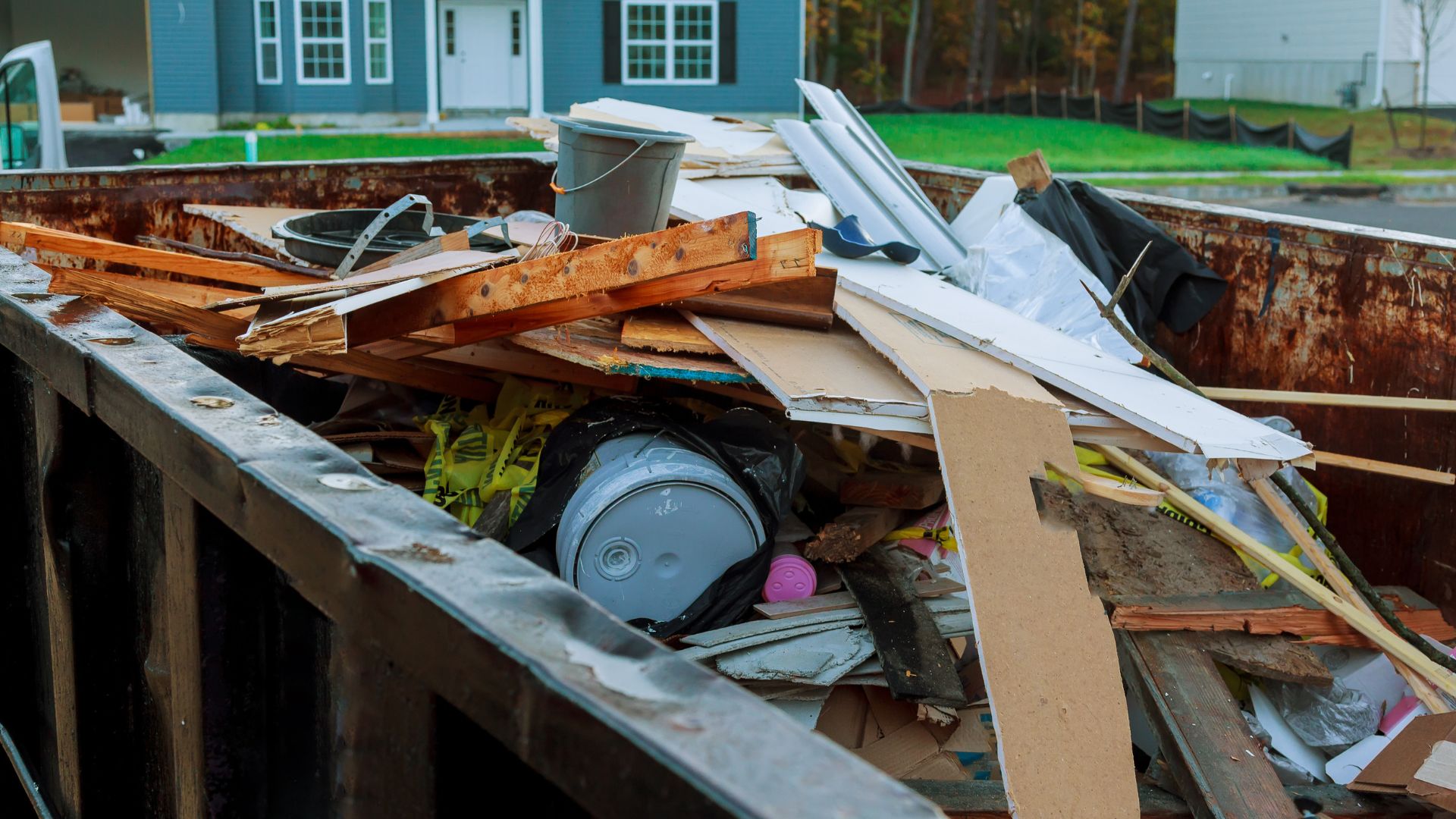
A skip bin usually makes more sense when waste builds up over several days rather than in one hit, or when you simply can’t transport the load yourself. It’s also the better option for bulky, awkward materials, multi-room strip-outs, or any project where several trips to the depot would eat into your renovation time.
When Specialist Disposal Is Required
Asbestos, other hazardous materials and certain household problem wastes need to be handled separately from your general renovation waste. NSW householders can use community recycling centres for common problem wastes such as paint, batteries, oils, gas bottles, fire extinguishers, smoke detectors and fluorescent lights.
What Waste Will Your Renovation Produce?
Kitchen Renovation Waste
Expect cabinets, benchtops, splashback tiles, plasterboard, timber, flooring, sinks, appliances and plenty of cardboard packaging. Stone or otherwise very heavy benchtops may require additional planning to move safely.
Bathroom and Laundry Renovation Waste
Tiles, vanity, bath, shower screen, toilet, plasterboard, waterproofing debris, pipework and cabinets are typical here. Tiles, concrete and masonry are substantially heavier than their visual volume suggests, so don’t judge the load by eye alone.
Flooring and Internal Strip-Out Waste
Carpet, underlay, floorboards, tiles, skirting, doors, plasterboard and insulation commonly come out during a flooring or internal strip-out project.
Deck, Garden and Outdoor Renovation Waste
Timber, treated timber, concrete footings, pavers, soil, green waste, fencing, and metal fixtures are all common types of outdoor waste. Green waste, soil, and mixed building debris may need to remain separate depending on the disposal option you choose.
Estimate the Waste Volume Before Booking or Travelling
Build a written list before you try to estimate volume, and break the project down by room or stage rather than guessing at the whole job in one go. Volume and weight aren’t the same thing. Tiles, soil, bricks, and concrete can be heavy without taking up much space, while cabinetry and furniture can take up plenty of space yet weigh comparatively little. Break down bulky items where it’s safe to do so, and allow a buffer for the packaging and offcuts that always seem to get overlooked.
Match Common Projects to Likely Bin Sizes
Matt’s bin sizes range from 2m³ to 10m³, with different projects generally suited to different sizes:
- 2m³ for minor renovations and small clean-outs
- 3m³ for bathroom renovations and similar small projects
- 4m³ for kitchen renovations
- 6m³ for medium renovation or carpentry waste
- 8m³ for larger or commercial renovation waste
- 9m³ for multi-room renovations
- 10m³ for large-scale building work or shop fit-outs
These are starting points rather than guarantees. The right size for your project still depends on the exact materials and volume involved. If you’re dealing with more waste than you can safely transport yourself, it’s worth comparing bin sizes before you book.
Prepare the Site and Check Sydney Council Requirements
Where possible, place a skip on private property rather than the street. Confirm the delivery truck can get in and out, and check for overhead trees, wires, gates or parked vehicles that might get in the way. Consider whether the bin could damage your driveway, and keep access clear on both delivery and collection days without blocking pedestrian or vehicle access.
Council rules aren’t uniform across Sydney, so check with the relevant council and any local regulations before using public land at all. Penrith City Council, for instance, states that skip bins or containers are not to be stored in work zones or on the council road reserve. The City of Sydney takes a different approach, with its own approval process for temporarily using or obstructing public space during works. Don’t assume your council follows the same process as a neighbouring one.
Handle, Load and Transport Renovation Waste Safely
A bit of planning before the first wall comes down makes the rest of the renovation far less stressful. Different materials need different pathways, so it’s worth resisting the urge to treat it all as one load. Reusing and recycling what you can first, then finding the right destination for what’s left, tends to save both money and hassle down the track.
Western Sydney renovators with a manageable, sorted load are often well-suited to depot drop-off, while larger or longer projects usually make more sense with an on-site skip bin. Either way, it’s worth double-checking anything you’re unsure about before it leaves your property, particularly with your local council if a bin might need to sit on public land.
Got a sorted load ready to go? The team can talk you through what the depot accepts before you make the trip. And if you’re still weighing up a skip bin against a depot run, let them know what you’re removing and where the project is, and they’ll help you land on the right option.
What to Do If You Find Suspected Asbestos
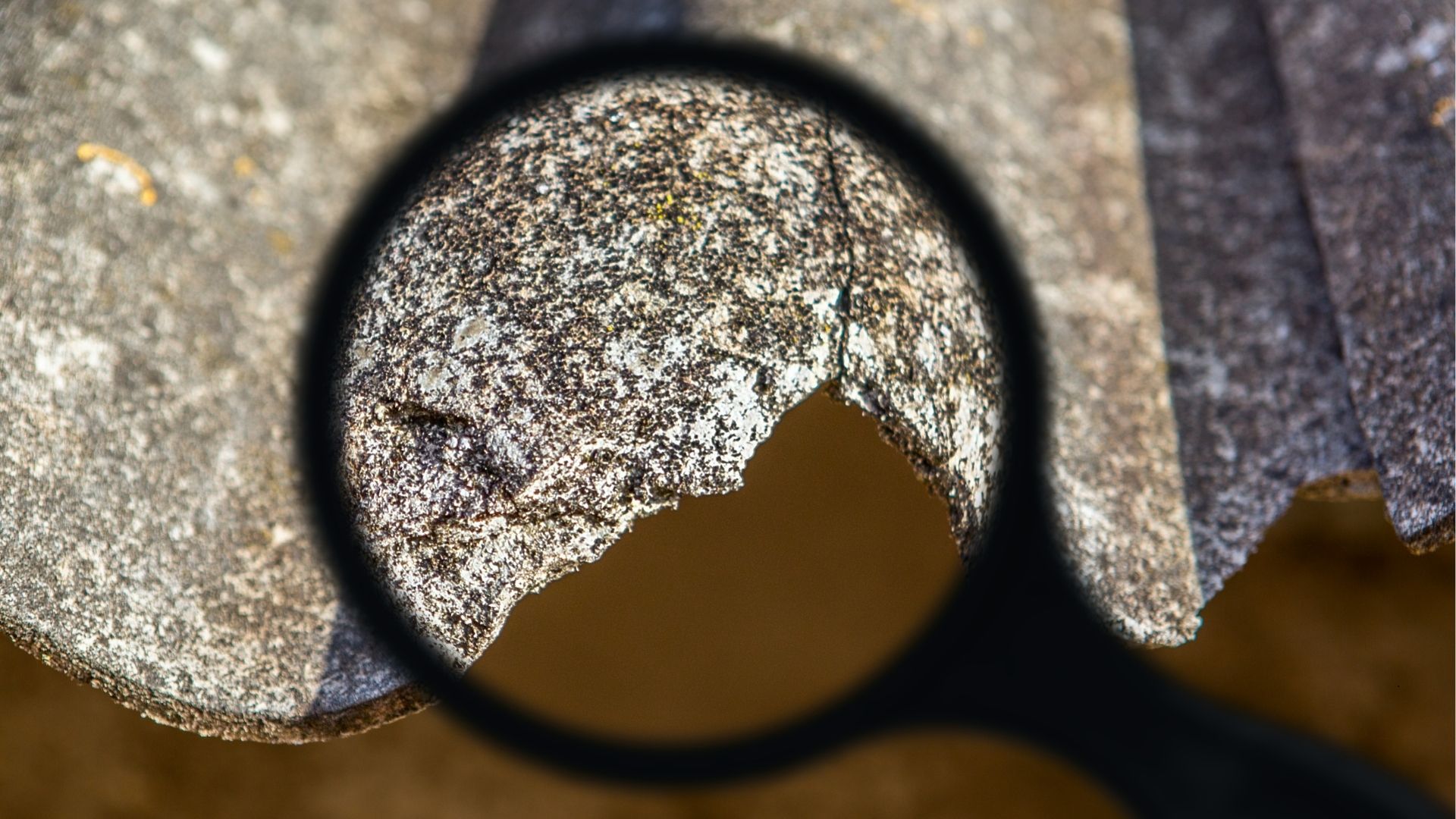
If you come across material you suspect might contain asbestos, stop disturbing it straightaway and keep other people away from the area. Don’t break, sand, drill, sweep or place it into a skip or ordinary trailer load. Arrange appropriate identification and professional advice, and use official NSW resources to locate a properly licensed service.
Homes built before 1990 are likely to contain some asbestos-containing materials, and asbestos can pose a serious health risk when it’s damaged, weathered or disturbed.
Complete the Final Renovation Waste Check
Before collection or a trip to the depot, check that no hazardous materials have entered the load, the waste matches the booked or declared category, and nothing extends above the skip bin rim. Confirm that trailer or ute loads are secured, that reusable materials have already been removed, and that paint or other liquids are stored separately. Sweep the site for screws, nails, glass, and other fragments, ensure access is available for collection, and confirm that the facility you’re using is open and accepts what you’re bringing.
Make Waste Disposal Part of Your Renovation Plan
Planning disposal before demolition starts reduces later disruption, and different materials genuinely need different pathways rather than a single big load. Good waste management on a home renovation is mostly about reducing waste through reuse and recycling first, then finding the right home for what’s left. Western Sydney renovators with a manageable, sorted load can consider depot drop-off, while larger or ongoing projects are usually better suited to a skip bin. Whatever the project, confirm any questionable or hazardous materials before they go anywhere, and check with your local council to ensure compliance if a bin needs to sit on public land.
Got a sorted load ready to go? Get in touch to check what the depot accepts before you head out. Not sure whether you need a skip bin or depot drop-off? Tell the team what you’re removing, how much you have and where the project is, and they’ll point you in the right direction.
Frequently Asked Questions
How do I dispose of renovation waste in Sydney?
Sort your waste into reuse, recyclable, residual, and hazardous categories, then choose between depot drop-off and a skip bin depending on volume and transport.
What renovation waste can go into a skip bin?
Most general building debris, including tiles, timber, plasterboard and mixed renovation rubbish, can go into a skip bin. Hazardous materials such as asbestos, liquids and gas bottles cannot.
Can I take bricks, concrete, timber and gyprock to a recycling depot?
Yes, these are commonly accepted materials at a recycling depot, though acceptance can vary by facility. Confirm with the depot directly before your visit.
Do I need council approval to place a skip bin on the street in Sydney?
Often yes, particularly on public land such as a road reserve or nature strip. Requirements differ between councils, so check with yours before booking.
Can renovation waste go in a council clean-up collection?
Some councils exclude building and renovation debris from clean-up collections or limit the volume they accept. Check your specific council’s guidelines first.
What should I do if I find asbestos during a DIY renovation?
Stop work immediately, keep others away from the area and arrange assessment by an appropriately licensed professional rather than attempting removal yourself.

